



Costa Rica: Between Oceans and Continents
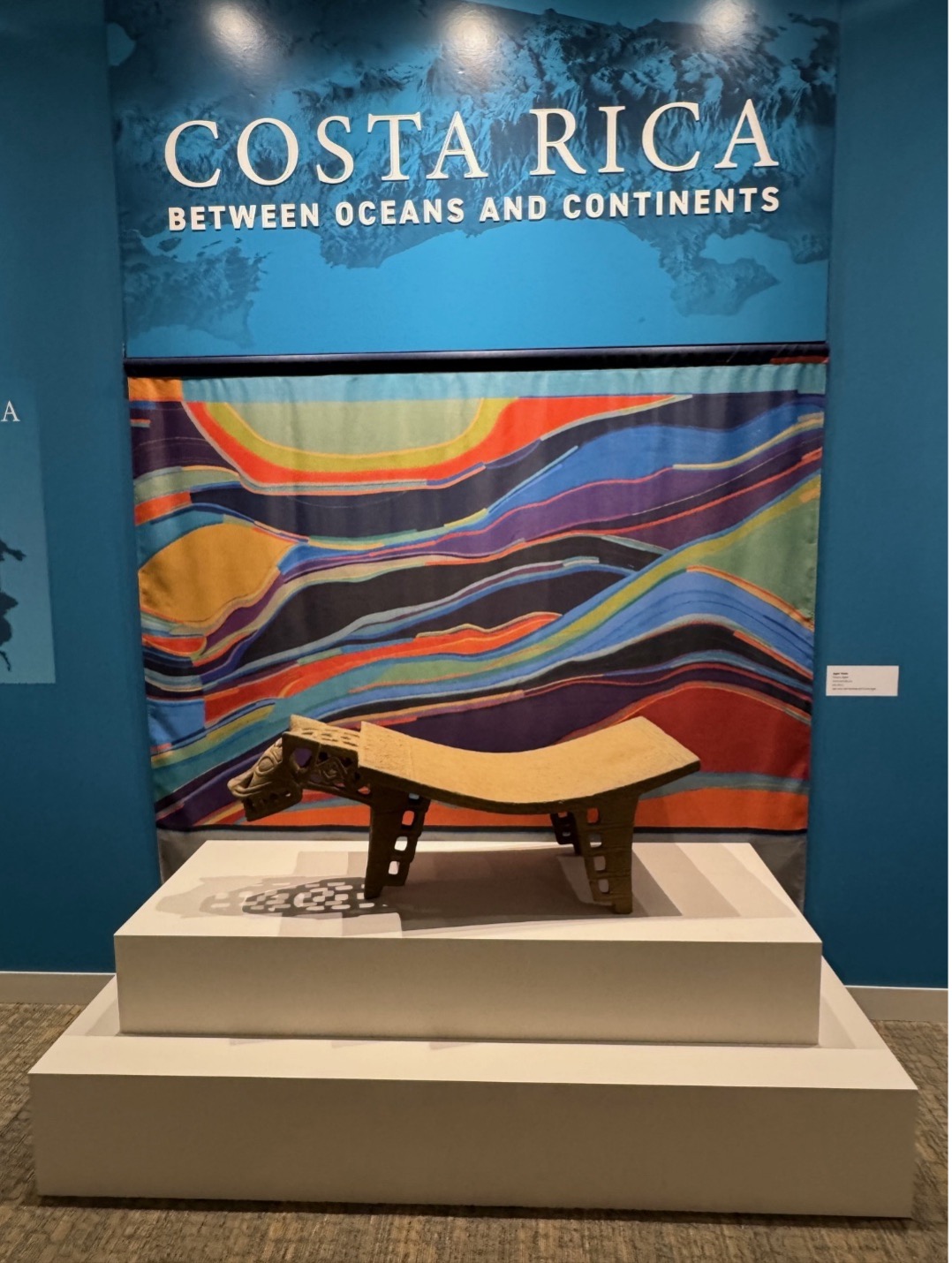
Jaguar Metate
Volcanic Basalt
Guanacaste/Nicoya
400-600 CE
Loan from Joel Aaronson and Claire Keyes
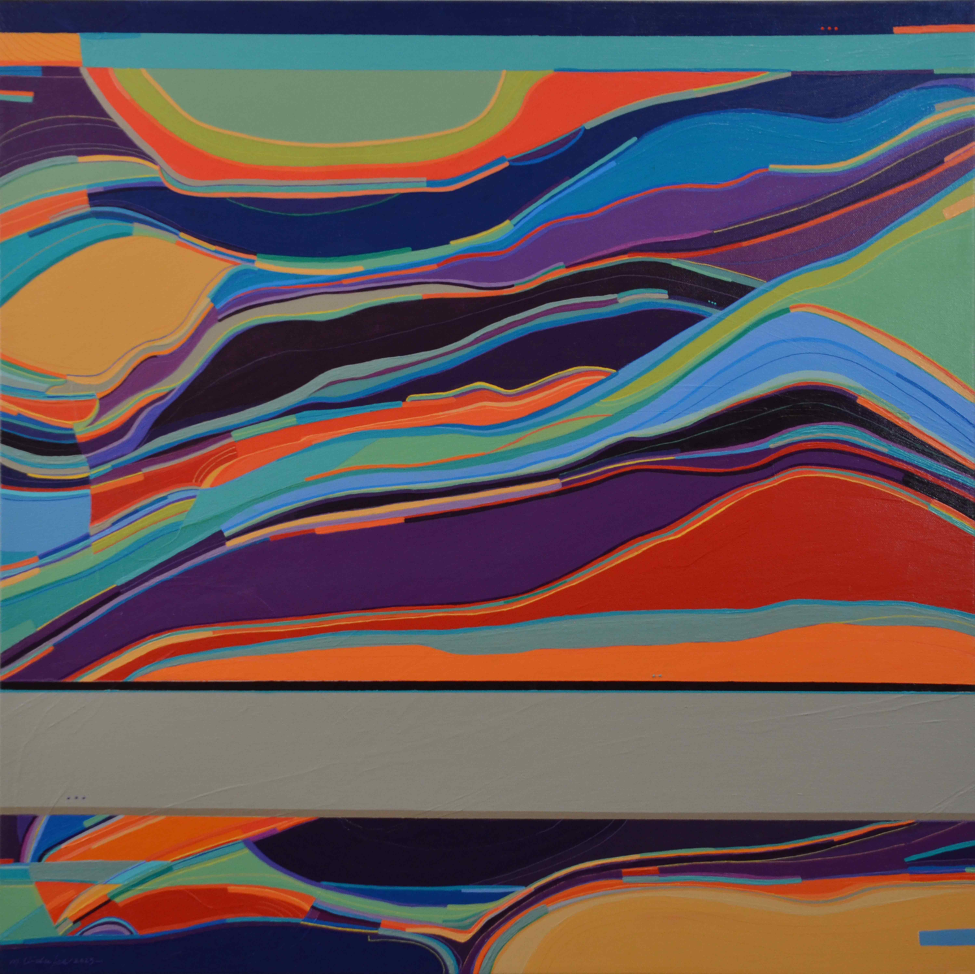
Playful and Colorful #5
Marité Vidales
Oil on canvas
2023
On loan from Marité Vidales
A tiny land formed by volcanoes, between two enormous continents, and between the world’s two largest oceans, Costa Rica has largely been left to create its own place and destiny in the world. Sometimes called the Switzerland of the Americas for its mountainous beauty, progressive social policies, and peaceful nature, Costa Rica today is a favored destination for tourists from around the world. Not endowed with gold and other mineral resources as originally thought by the Spaniards who dubbed it the Rich Coast, the people who have inhabited this land have forged their own unique path. This is their story.
Costa Rica’s early history was remote from the major civilizations of North America and South America, although it had sporadic contacts with them. When the Spanish arrived, the land was sparsely populated, its resources were of minimal interest to the conquerors, and it was distant from the government the Spanish established in Guatemala. Few slaves were brought to the country and the large, landed estates of other parts of the Empire never developed in Costa Rica. Over time, however, its landscape, history, culture, and politics combined to make it a unique country in Latin America. Today, Costa Rica prioritizes the education, health, and welfare of its citizens over military strength; it fosters leadership in conservation of natural resources; and it is building a diversified economy based on agriculture, tourism, manufacturing, and service-based industries.
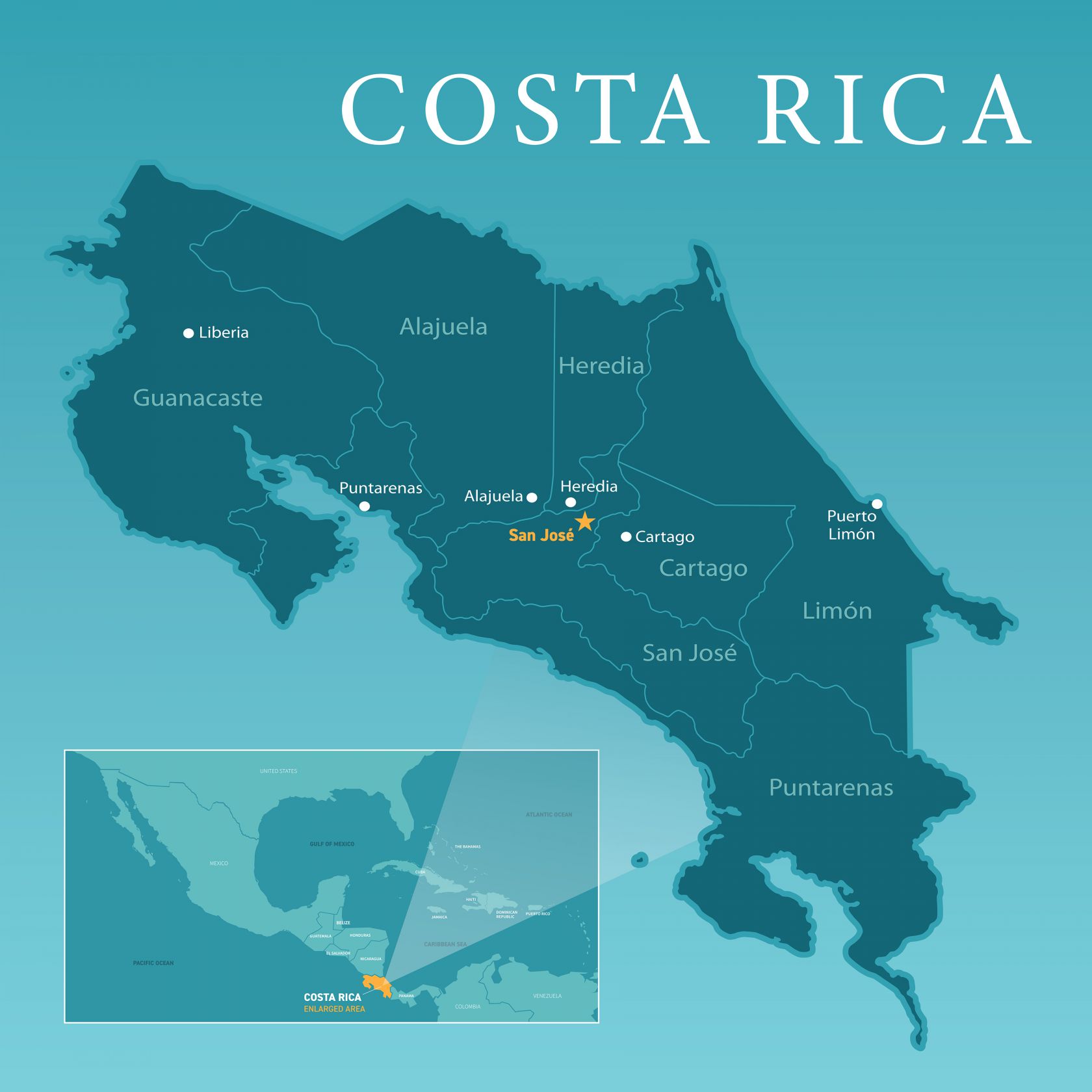 Slightly smaller than the state of West Virginia in the United States and roughly the size of Denmark in Europe, Costa Rica today is home to about 5.1 million people. Slightly smaller than the state of West Virginia in the United States and roughly the size of Denmark in Europe, Costa Rica today is home to about 5.1 million people. |
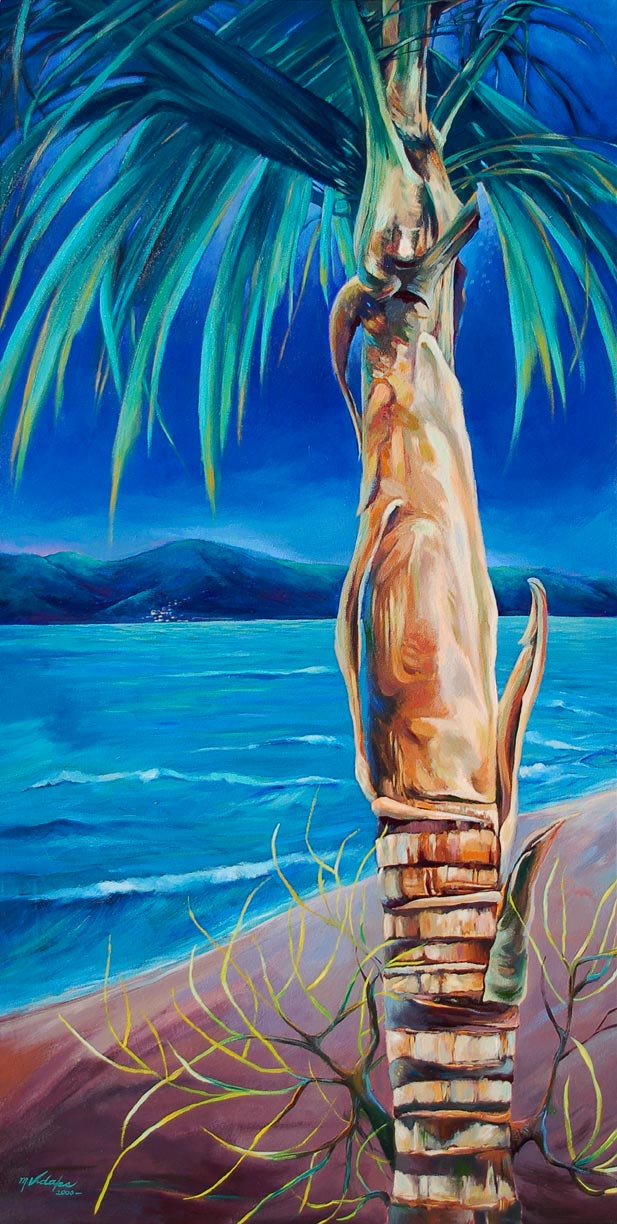 Mar de Noche (Beach at Night) Mar de Noche (Beach at Night)Marité Vidales Acrylic on Canvas 2000 Loan from Marité Vidales and Pablo Zuniga |
Artist featured in the Costa Rica Exhibit
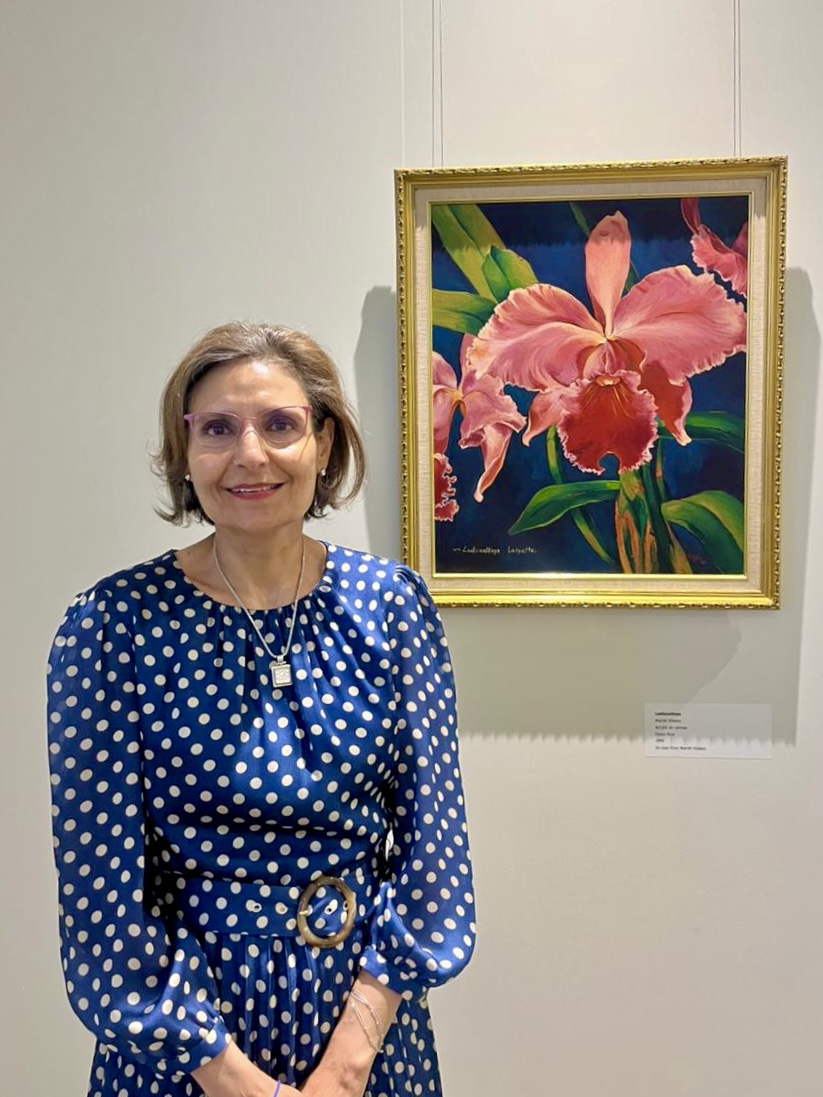
Marité Vidales is a Costa Rican-born Washington, DC-based painter with a career that spans over 30 years. She received her BFA from the School of Fine Arts at the Universidad de Costa Rica in 1987 and completed Graphic Design studies at the Universidad de Centro America in 1983. She has exhibited widely in the United States, Germany, Peru, and Costa Rica. She maintains an active studio practice in the Shaw Neighborhood in Washington, DC and teaches art at two non-profit senior centers in the city. Statement Painting is my life, my occupation, and my greatest satisfaction. I use symbols to communicate the content of my work. Through colors and textures, I strive to create a harmonious and balanced image. My painting styles range from figuration to geometric abstraction. I develop thematic series of work based on my life experiences as a Costa Rican immigrant to the United States, as well as my travels and social concerns.
For more information visit https://www.maritevidales.com/