



National Symbols
National Symbols tell us much about what the people of a country treasure most. All countries attach great importance to their national flag and Costa Rica is no exception. As with many Latin American countries, the Republic of Costa Rica has two variants of its flag. The civil flag has the most widespread usage consisting of bars of blue, white, and red. The state flag that is only permitted to be used by the government includes a coat of arms that depicts three smoking volcanoes to represent the mountain ranges in the country and a central valley between two oceans. A merchant ship in each ocean represents the maritime history of the country and the arch of seven stars represents the seven provinces of Costa Rica. The frame has golden beads to indicate the importance of coffee to the country, and the blue bow at the top links the country with its location in Central America.
The flag and coat of arms were first adopted as national symbols in 1948, and the country’s national anthem was officially declared as a national symbol in 1949.
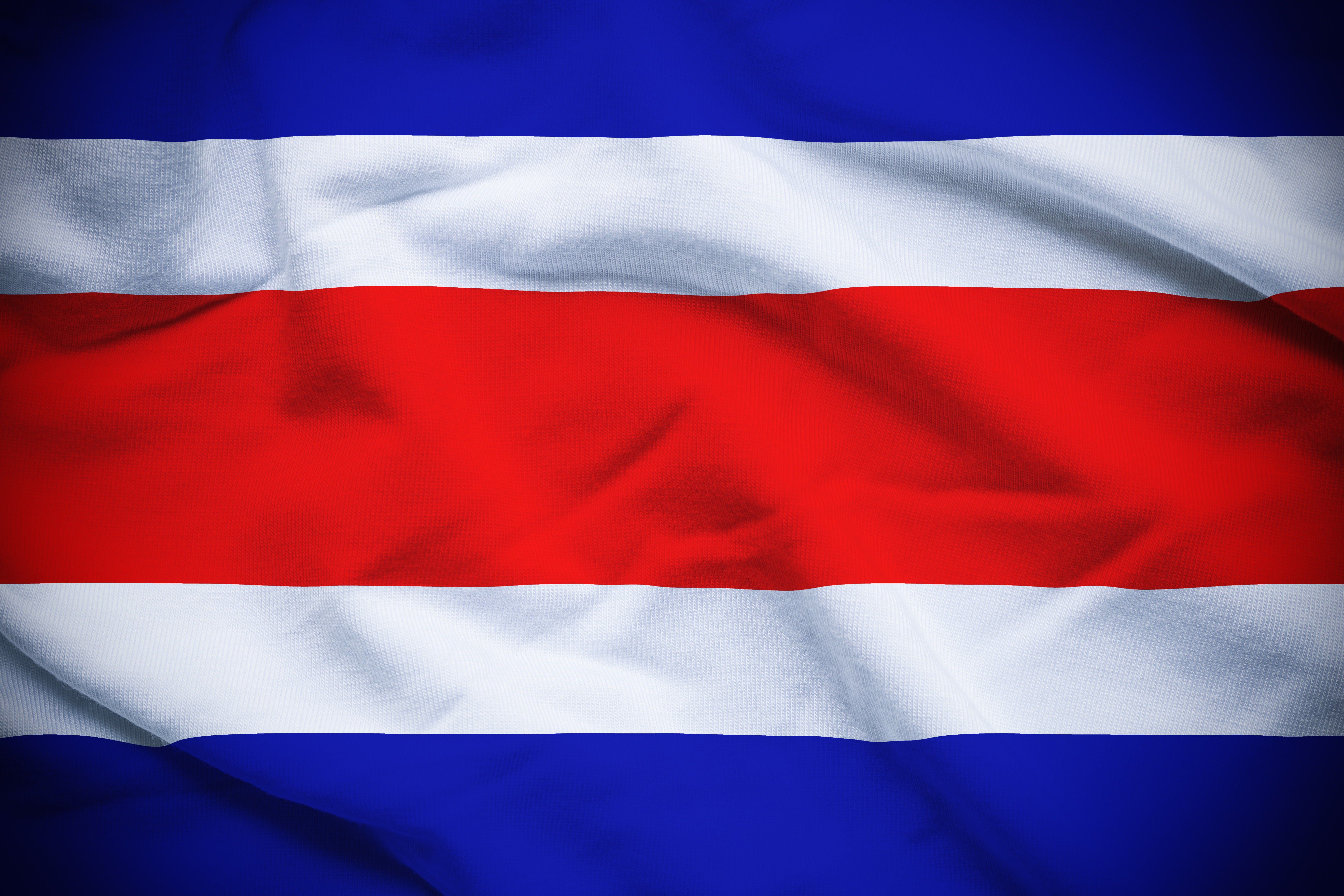 Costa Rican Civil Flag
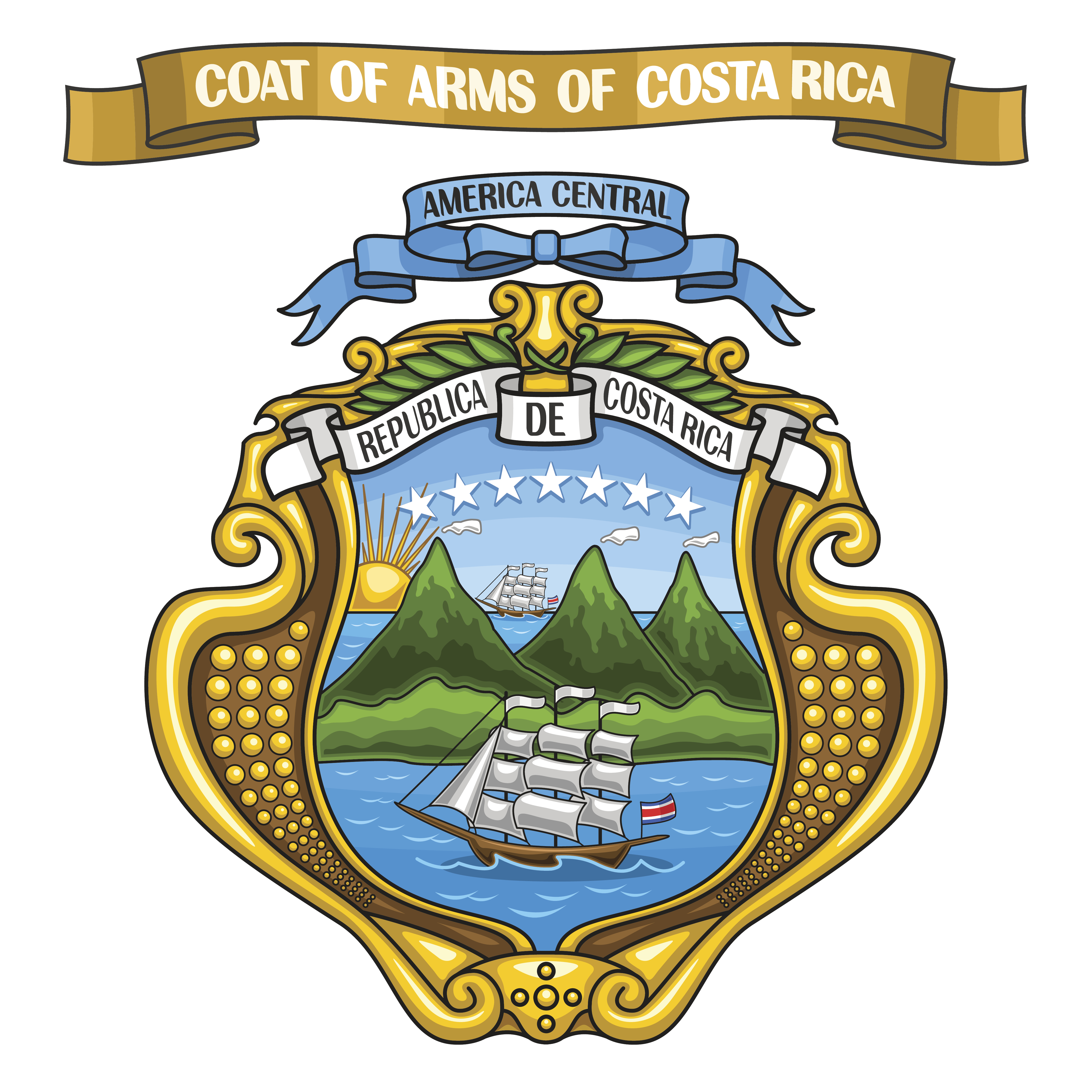
Credit: mihmihmal -- Costa Rica's Coat of Arms
Because of Costa Rica’s commitment to environmental protection and the importance of ecotourism to the economy, it is not surprising that many of the country’s national symbols are of its flora and fauna. Other national symbols give an insight into what is important to Costa Ricans and will be featured throughout this exhibit. Represented here are national symbols that relate to the natural world of this beautiful country.
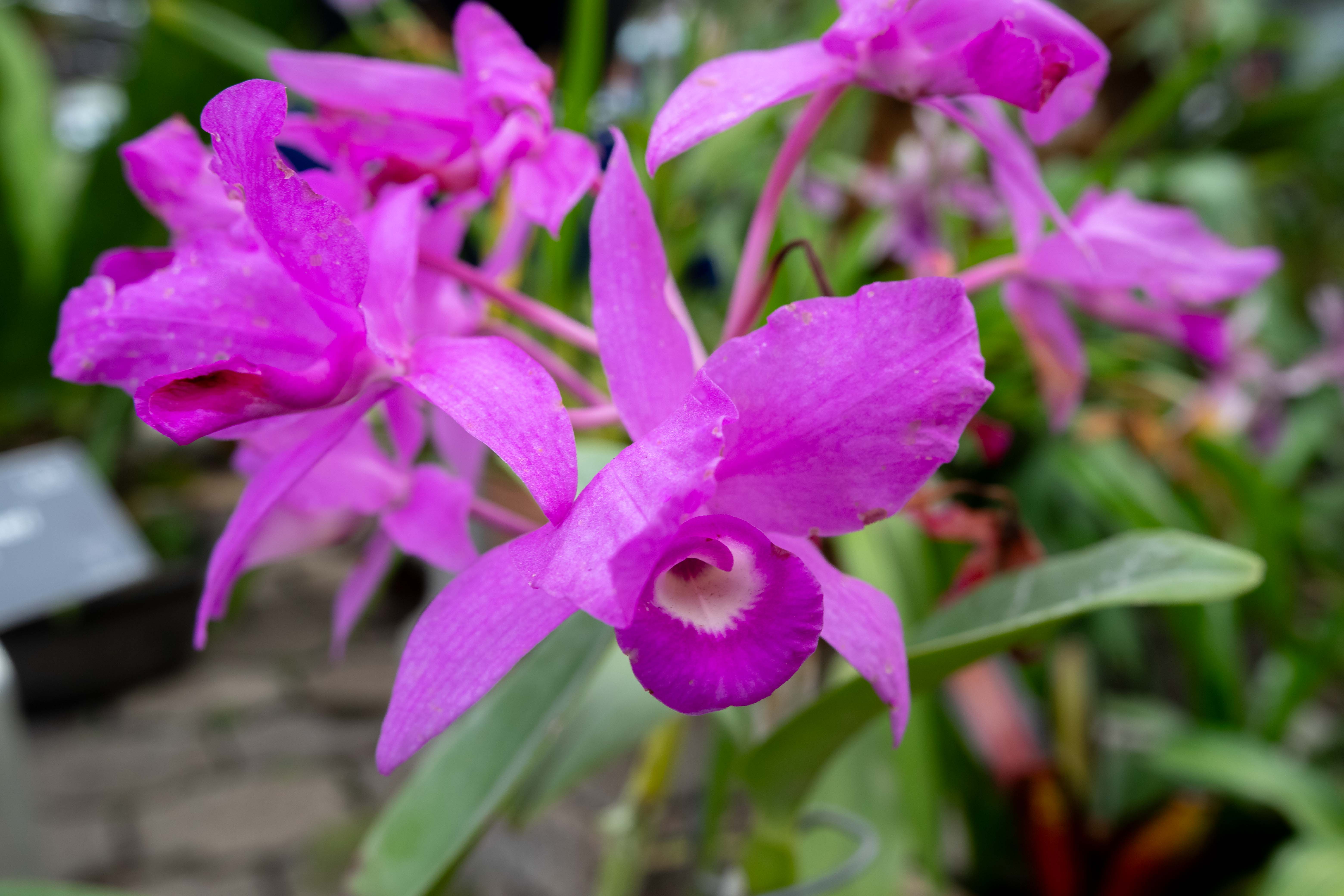 Photo by MarcoDiaz2 Photo by MarcoDiaz2 |
La Guaria Morada
(Guarianthe skinneri)
Meaning “purple country girl” in English the La Guaria Morada orchid was declared the national flower of Costa Rica in 1939.
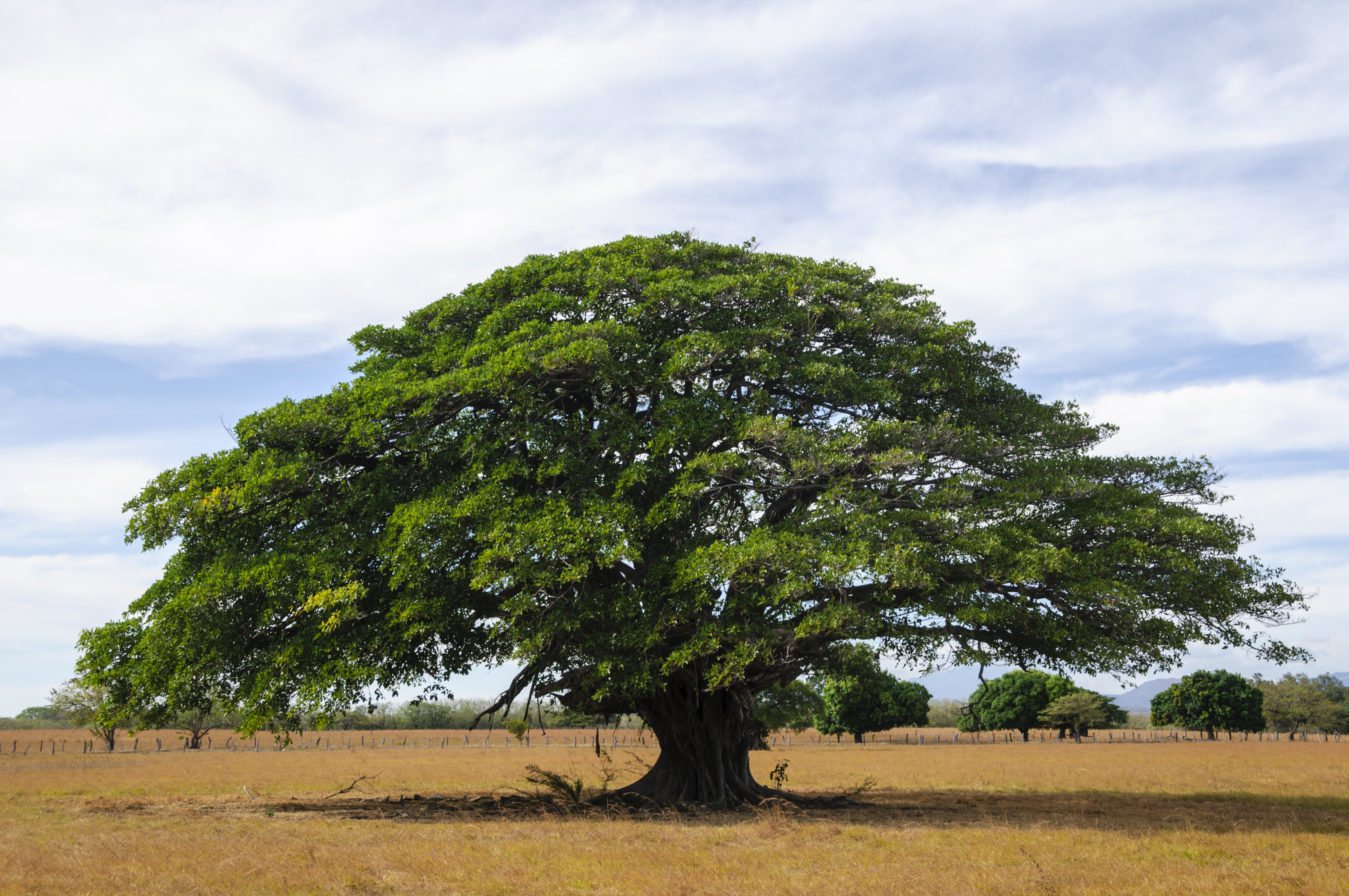 Photo by OGphoto Photo by OGphoto |
Guanacaste
(Enterilobium cyclocarpum)
Known as elephant-ear tree in English, the Guanacaste was declared a national symbol in 1959. It has also given its name to one of the seven provinces of Costa Rica.
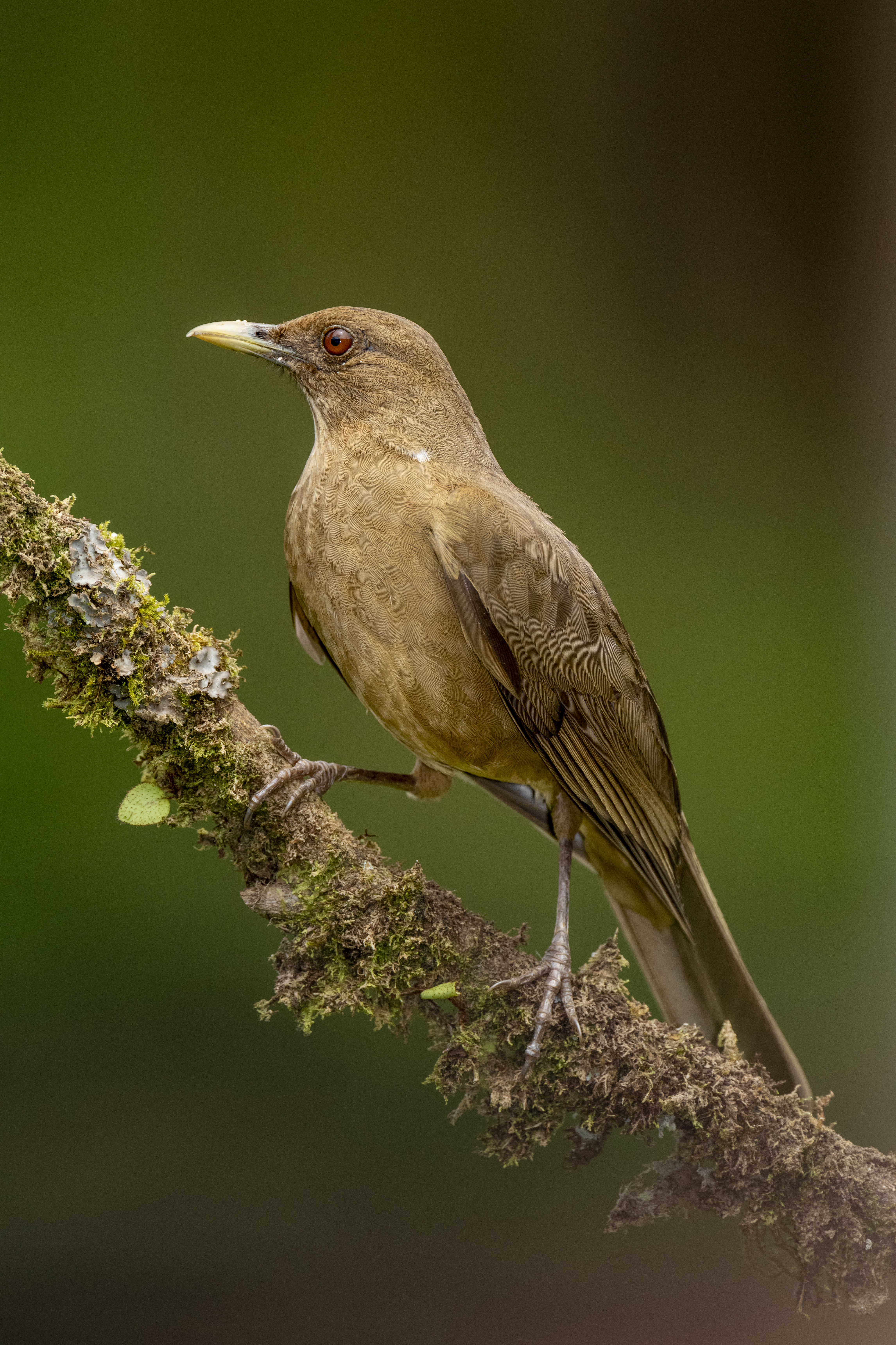 Photo by NTCo Photo by NTCo |
The Yigüirro
(Turdus grayi)
Known as the clay-colored thrush or robin in English, the Yigüirro was decreed the national bird in 1977. Although it not as spectacular as many other birds in Costa Rica, it is beloved in the country because of its harmonious song.
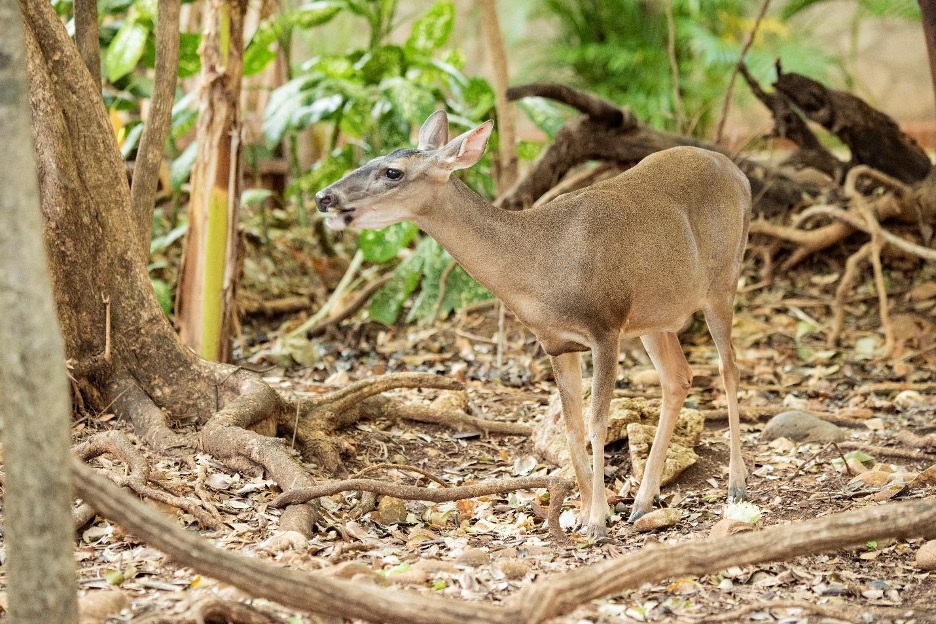 Photo by Patrick Gijsbers Photo by Patrick Gijsbers |
White-tailed Deer
(Odocoileus virginianus nemoralis and Odocoileus virginianus chiriquensis)
The white-tailed deer was declared a national symbol in 1995. Once widespread, habitat destruction and hunting drove these two sub-species of deer to near-extinction. Extensive conservation efforts are ongoing.
|
Photo by Enrico Pescantini |
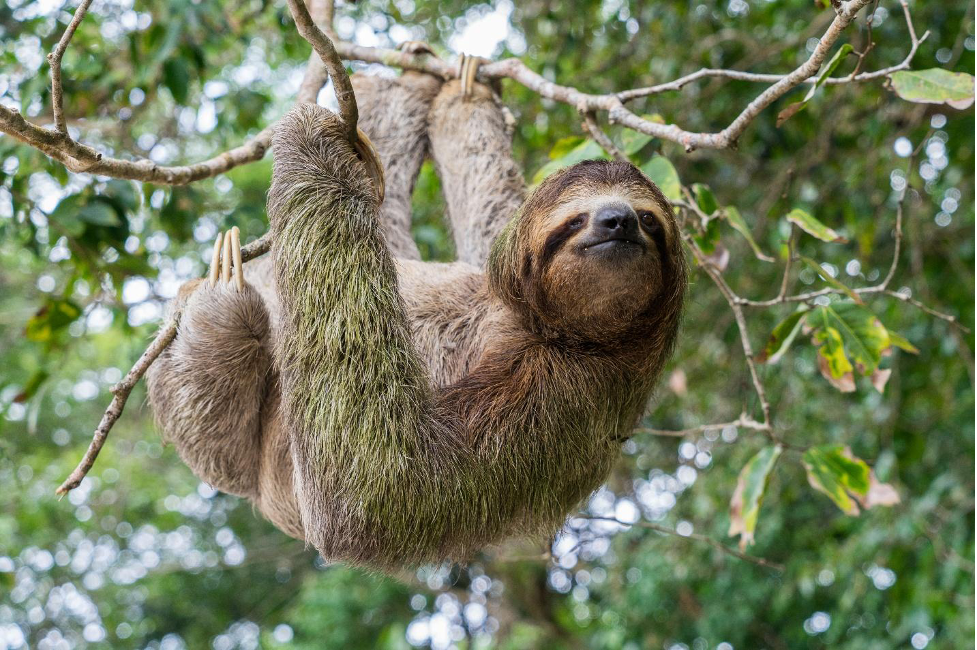
Brown-Throated Three-Toed Sloth
(Bradypus variegatus)
Costa Rica has two native species of sloth – the two-toed sloth (Choloepus hoffmanni) and Brown-throated three-toed sloth) – that were added as national symbols in 2021. These sloths move slowly through the trees and now also use electrical lines as a means of moving from one place to another.
|
Photo by Jarib |
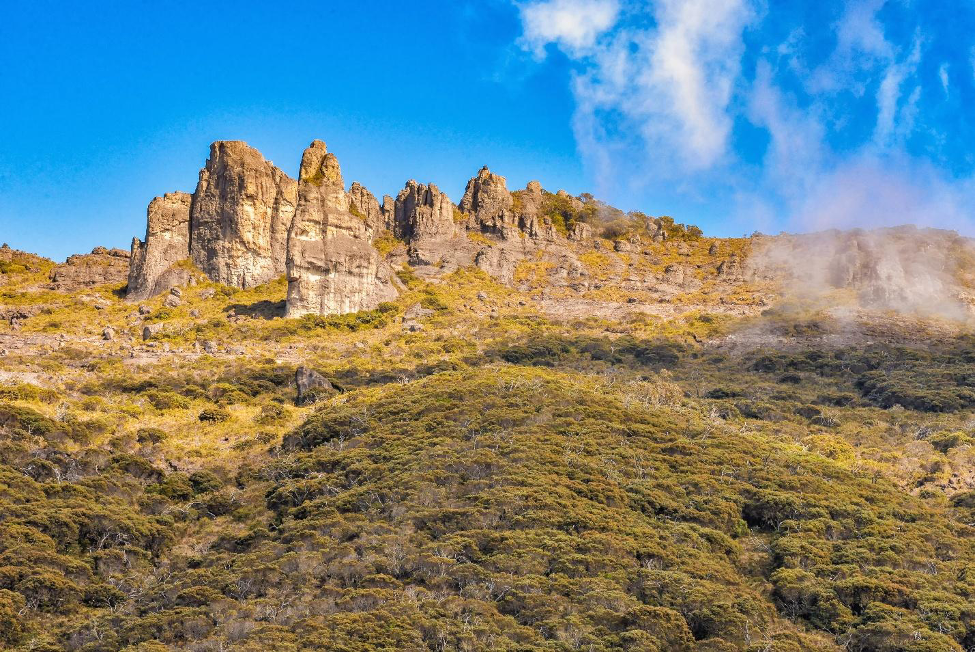
Los Crestones
Chirripó National Park
The striking natural geological formation of Los Crestones in Chirripó National Park was designated as a national symbol of natural wealth in 2011. Also designated a UNESCO World Heritage Site, these spectacular, rugged rock formations are named because of their resemblance to rooster crests. The nearby Cerro Chirripó (a mountain named “land of eternal waters” by indigenous people) is the highest peak in Costa Rica at 3,821 meters (12,536 feet).
|
|
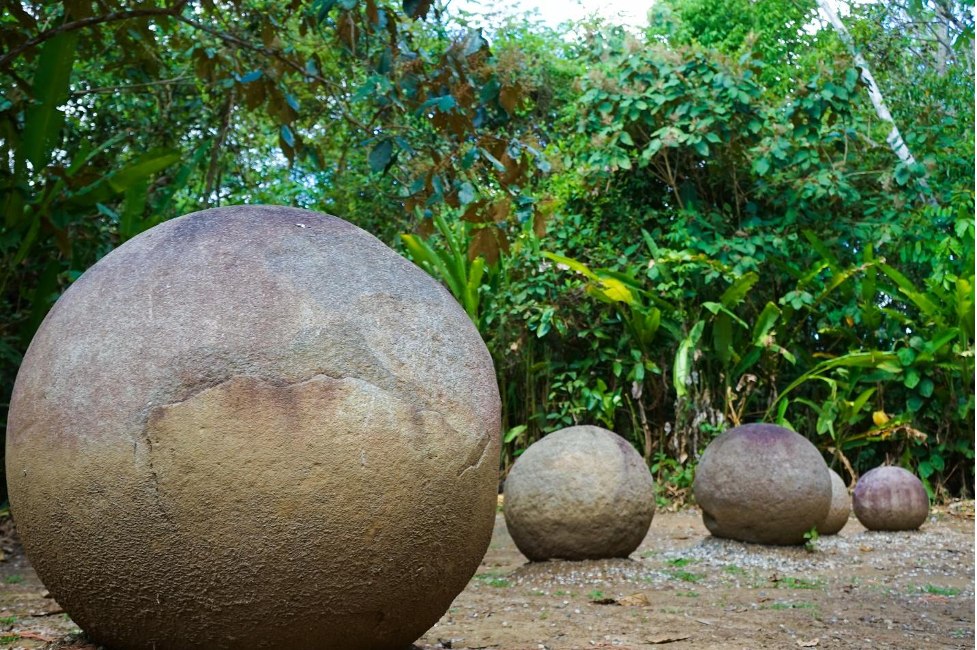 Photo by Wirestocks
Pre-Columbian Stone Spheres
Diquis Archaeological Site
Some of the more fascinating national symbols of Costa Rica are the pre-Columbian stone spheres at the archaeological site of Diquis, named a UNESCO World Heritage Site and a national symbol in 2014. Over 300 of these spheres, dating to as early as 300 CE (Common Era) have been found to date. One speculation is that the spheres were placed in lines along the path to the houses of chiefs. The largest of these spheres are over two meters in diameter and weigh as much as 15 tons. It is thought that they were made by hammering natural boulders that were then polished with sand.
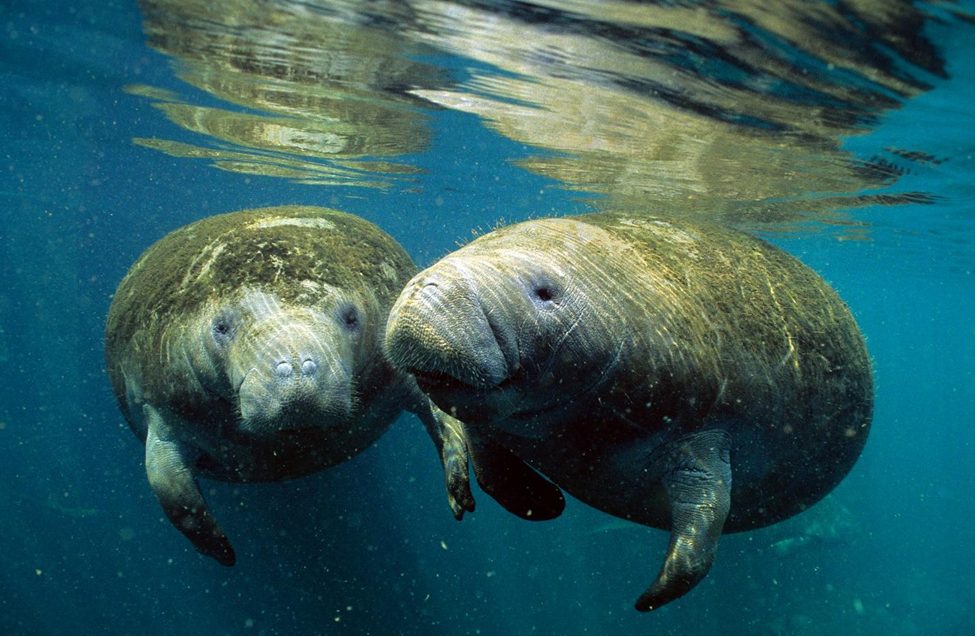 Photo by Dan Bailey Photo by Dan Bailey |
West Indian manatees (Trichechus manatus manatus) or sea cows were declared a national symbol of Costa Rica in 2014. The relatively small population of manatees can be found on the country’s Caribbean coast particularly in the lagoons of Tortuguero National Park.